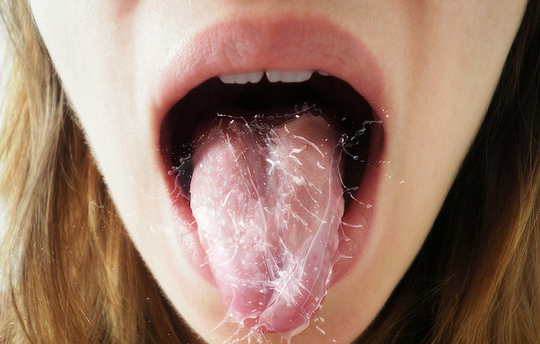
 Bad pine nuts can leave you with a metallic taste in your mouth for up to two weeks. Gemma Bou
“Pine nuts are those crunchy, delectable seeds we scatter over summer salads, use to make pesto and that form the base of some favourite desserts, such as pignoli and baklava. They usually have a sweet, buttery, resinous flavor. But some people can find them distasteful.
“Some consumers complain of a bitter metallic taste in their mouth (metallogeusia) that begins one to three days after eating pine nuts and may persist up to two weeks before resolving. This phenomenon has become known as “pine mouth” and is being increasingly reportedacross the world.
“Over the past three years, the United States Food and Drug Administration has received more than four hundred complaintsof taste disturbances following the consumption of pine nuts. In France, more than three thousand cases have been reported to poison centres in the same period.
“Eating pine nuts is not a new thing. They have been a staple of Indigenous cuisine since Palaeolithic times, from Asia and Europe, to the Americas. For their size, pine nuts are rich in calories, most of which comes from their high content of mono-unsaturated fatty acids (MUFA).
“A Mediterranean diet, which is rich in foods containing MUFAs, is thought to prevent heart disease by improving blood cholesterol levels and reducing inflammation. Pine nuts are also rich in dietary fibre, vitamins and minerals essential for good health.
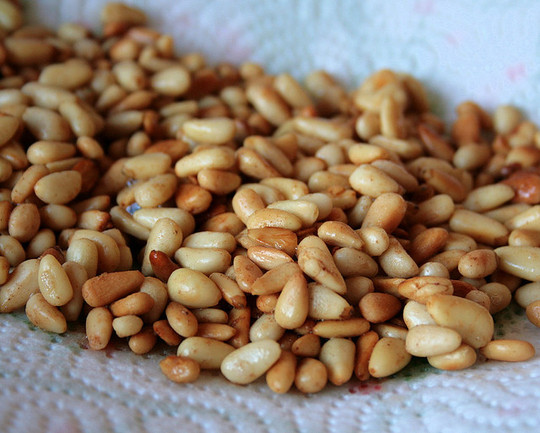 It’s best to eat pine nuts immediately or store them in the freezer. Annalibera
“But why now, after centuries of salade landaise, are we finding pine nuts so disagreeable?
“Jamie Oliver and rise of culinary experimentation are partly to blame. To continue reading this article, click here to read it at The Conversation.
 Columbia news, views & reviews