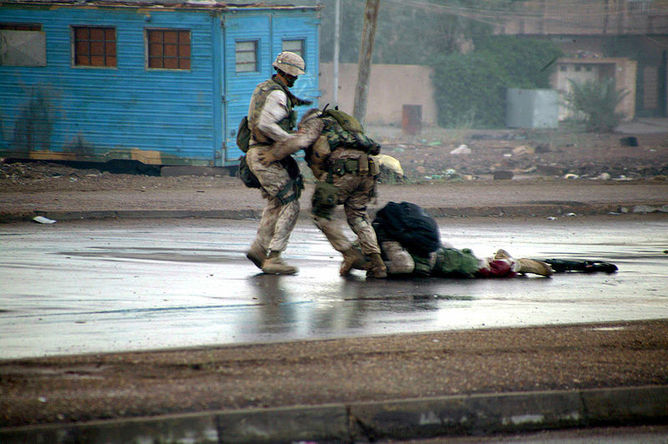
 The stresses of service can have deep effects US DoD
“A sad statistical milestone has just been passed in America: this year more troops have died from suicide than from battle.
“With Iraq out of the equation and the gradual winding down of the Afghanistan presence, there was always bound to come a point when the two mortality lines crossed on the graph. But as the New York Times reports, 2012 is in its own right a record year for suicides amongst personnel. A staggering 154 ‘active duty’ troops have taken their own lives this year so far. That outstrips the 124 military fatalities recorded to June 1.
“Australia came to a standstill when Jake Kovco died accidentally in Iraq in 2006. But nearly every day this year an American serviceperson has deliberately taken their own life. And this at a time when extra resources are being thrown at post-combat care.
“More worryingly, the 154 deaths represents an 18 percent increase on the same period last year and is also a spike compared with all the other years before.
“Remember, this is just suicide rates amongst active duty troops. These figures do not cover the tens of thousands of veterans who have served over the years but since left the forces.
“Beyond the distressing number of those who actually commit suicide, there is a much larger group who are experiencing mental suffering, substance abuse, relationship breakdowns, homelessness and clinical psychiatric disorders. There is some evidence that points to a greater incarceration rate amongst War on Terror veterans, and particularly for their involvement in violent crime. Once incarcerated, veterans have a very high suicide rate compared to the ‘ordinary’ prison population.
“A particular high risk group are young male reservists who have returned home. They may have been doing similar jobs to full-time soldiers, but are perhaps don’t get the level of post-deployment care, or at the very least they find it difficult to adjust as quickly as required. One day they are nervously patrolling the streets of Fallujah, then a mere few days later they are back in their hometown.” Read this article in its entirety at The Conversation.
 Columbia news, views & reviews