This article from The Conversation, “Loosen up, it’s time to talk about toilets” deals with the issue of handling human excretory waste around the world.
Is our distaste for toilet talk halting sanitation improvements in the developing world? Alan Porritt/AAP
“Bodily waste can be an embarrassing subject, but one that most of us can avoid thanks to efficient toilets and sewers. Nevertheless, this embarrassment may be holding back improvements in sanitation where they’re needed most.
“Over the course of your life you might spend three years in the bathroom and a considerable proportion of that time on the toilet. Yet, here is an activity widely regarded as so distasteful that, unless you’re a parent of a potty-training child or involved in a caring profession, your conversations on the subject are likely to be short and rare.
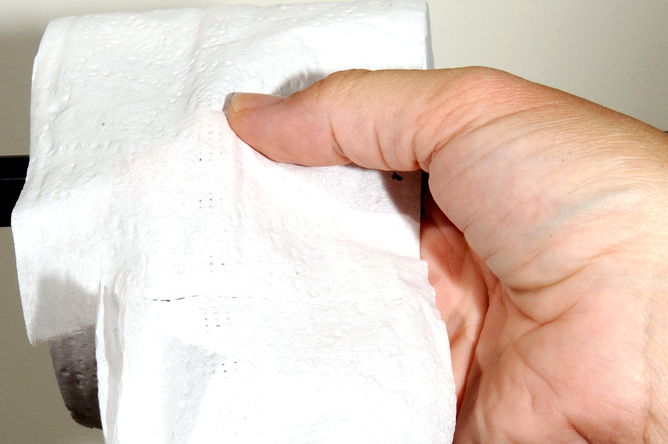
“When we in ‘developed’ nations do talk about bodily functions, we often do so through euphemism and metaphor. Consider the commercials in which a canine protagonist is draped in lengths of toilet tissue to illustrate the twin pillars of softness and strength.
“Perhaps this is only natural. After all, a more literal representation of toilet paper in use would be less appealing than the symbolic alternative offered by an ever-young Labrador.
“There’s nothing exactly natural about our aversion to talking about bodily waste however. Indeed, the historical sociologist Norbert Elias found that our relationship with bodily functions has become increasingly layered with distaste since the late Middle Ages.
“Elias also noted that the shame around bodily functions, and the subsequent desire for privacy in the toilet, predated the emergence of scientific and political concerns over hygiene.
“I don’t deny that the discoveries of bacteriologists and the rise of hygiene as a social ideal boosted the case to construct sewers and toilets. Nonetheless, sanitary concerns of waste removal don’t explain why we design buildings and rooms to separate toilets from all other architectural purposes; draping a veil of secrecy over our bodily functions.
“Neither do concerns over personal cleanliness explain our anxiety when privacy in the toilet is disrupted. Consider what makes you … .” To continue reading this article at The Conversation, click here.
 Columbia news, views & reviews