40 years on, Vietnam troop withdrawal remembered
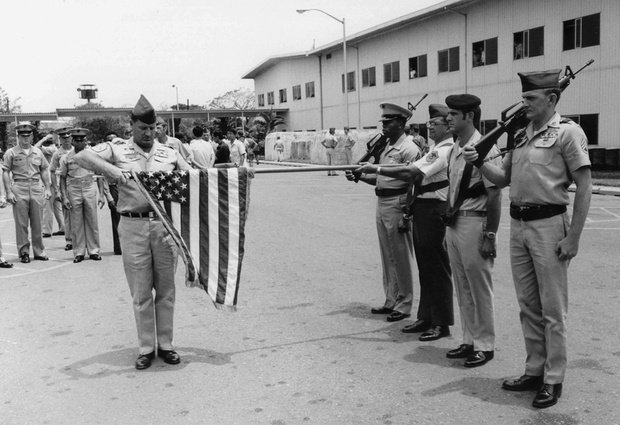 Photo: APThe American flag is furled at a ceremony marking official deactivation of the Military Assistance Command-Vietnam (MACV) in Saigon, after more than 11 years in South Vietnam. While the fall of Saigon in 1975 — with its indelible images of frantic helicopter evacuations — is remembered as the final day of the Vietnam War, March 29 marks an anniversary that holds greater meaning for many who fought, protested or otherwise lived the war.
Forty years ago, soldiers returning from Vietnam were advised to change into civilian clothes on their flights home so that they wouldn’t be accosted by angry protesters at the airport. For a Vietnamese businessman who helped the U.S. government, a rising sense of panic set in as the last combat troops left the country on March 29, 1973 and he began to contemplate what he’d do next. A young North Vietnamese soldier who heard about the withdrawal felt emboldened to continue his push on the battlefields of southern Vietnam.
While the fall of Saigon two years later — with its indelible images of frantic helicopter evacuations — is remembered as the final day of the Vietnam War, Friday marks an anniversary that holds greater meaning for many who fought, protested or otherwise lived the war. Since then, they’ve embarked on careers, raised families and in many cases counseled a younger generation emerging from two other faraway wars.
Many veterans are encouraged by changes they see. The U.S. has a volunteer military these days, not a draft, and the troops coming home aren’t derided for their service. People know what PTSD stands for, and they’re insisting that the government take care of soldiers suffering from it and other injuries from Iraq and Afghanistan.
Click here to read “the stories of a few of the people who experienced a part of the Vietnam War firsthand.”
 Columbia news, views & reviews