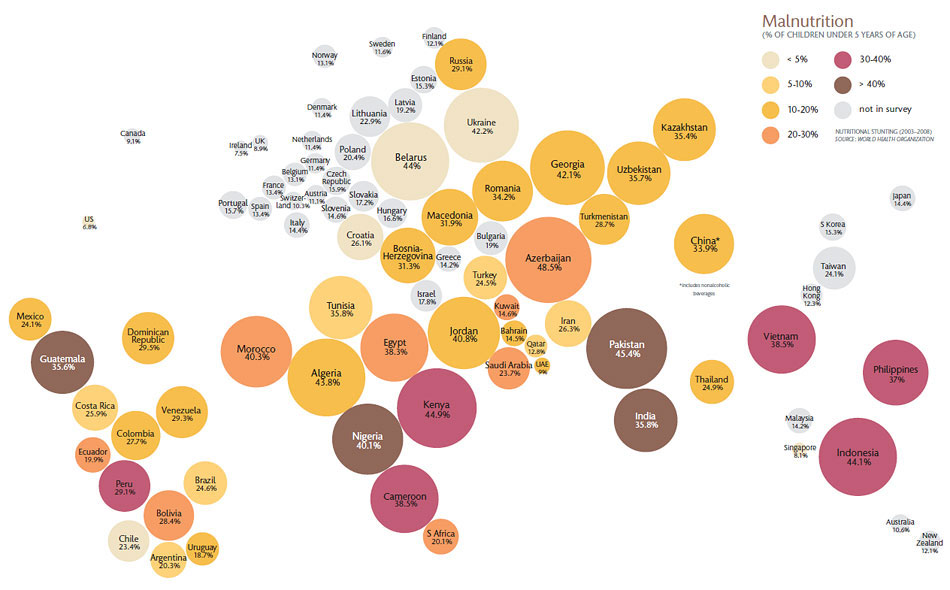
 Each day, on the back page of the Lancaster Intelligencer Journal/New Era, a little column appears. “NO KIDDING” is a quick look at little known snippets of data – some insignificant and others more relevant. A couple of Fridays ago, the “NO KIDDING” topic listed the world’s seven most populous nations and the “percent of annual income spent on food.
- China … 33.9%
- India … 35.8%
- United States … 6.8%
- Indonesia … 44.1%
- Brazil … 24.6%
- Pakistan … 45.4%
- Nigeria … 40.1%
Wow! If those numbers do not reinforce how fortunate Americans are, think again.
The numbers were sourced to an article written by Eric Sorensen and published in the Fall, 2011, issue of Washington State University magazine.
The article is about food production and the ever-increasing global population.
“You may know the tale, but it doesn’t get old: In the middle of the last century, Vogel developed a short wheat plant that could produce twice the grain of its taller, conventional brethren. Fifteen years later, the Indian government, peering over the brink of a mass famine, ordered 18,000 tons of wheat seed that Norman Borlaug had bred from Vogel’s discovery. Combined with irrigation and fertilizers, the dwarf wheat tripled India’s production inside a decade. The country, which had been living ‘ship-to-mouth’ on U.S. aid, was feeding itself.
Iterations of the story can include Vogel’s humble roots as a Nebraska farm kid. Or Borlaug winning the Nobel Prize for the ‘Green Revolution’ and repeatedly crediting Vogel for his contribution, which Borlaug said, ‘changed our entire concept of wheat yield potentials.'”
To read this article in Washington State University magazine, click here. There are a number of links at the site to more readings about this important issue.
 Columbia news, views & reviews