One of the “great unknown” – but highly probable and tragic – residuals of “fracking” is the destruction of Pennsylvania’s waterways. The majestic Susquehanna River and the recreation lifestyles are likely victims. Imagine the consequences of a “dead river.”
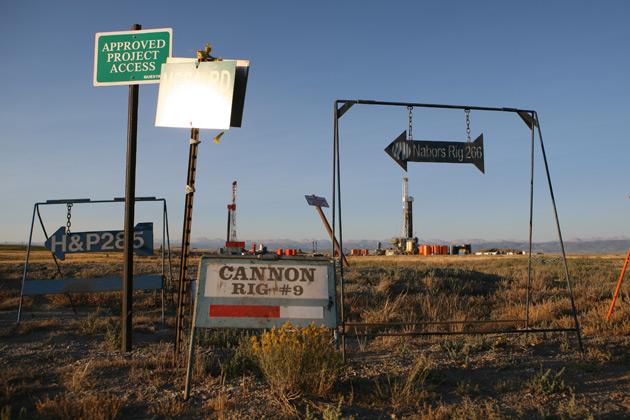 (Abrahm Lustgarten/ProPublica)
This ProPublica report sheds more light on the “fracking” practices and the collateral damages.
“It wasn’t just that environmental concerns about the underground drilling process finally struck a mainstream chord — after three years of reporting and more than 125 stories. For the first time, independent scientific investigations linked the drilling technique with water pollution, and a variety of federal and state agencies responded to the growing apprehension about water contamination with more studies and more regulation.
“The most important development — and perhaps a crucial turning point — was in December. In a landmark finding, the Environmental Protection Agency concluded that hydraulic fracturing was the likely culprit in a spate of groundwater contamination that had forced residents to stop using their water in dozens of homes in central Wyoming. The agency had been investigating since 2008.
“Earlier in the year, a study published through the National Academy of Sciences determined that in Pennsylvania, private water wells in close proximity to fracked gas wells were 17 times more likely to be contaminated with methane gas.
“Those studies are separate from a national research project the EPA has undertaken to assess the risks fracking poses to water resources. The agency is examining five case studies across the country and is now estimating that some of its report will be complete by the original 2012 deadline and the rest will continue into 2014.
“The study is meant to help Congress and regulators determine whether fracking should be regulated like other similar processes under the Safe Drinking Water Act and whether companies that frack should be forced to disclose the details about the chemicals they use.
“Last winter, the Obama administration — which has repeatedly referred to natural gas as a bridge fuel and encouraged its development — urged the Department of Energy to conduct its own assessment of fracking’s safety on a quicker timeline than the EPA.
“In a matter of months, a DOE panel determined that the environmental risks were substantial and needed to be addressed in order to safely develop more natural gas resources. The panel raised concerns that pollution could have serious health consequences for those who live close to drilling operations.
Click here to read the entire article
 Columbia news, views & reviews