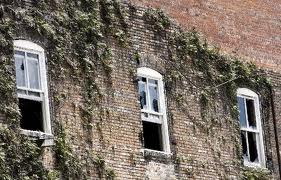
Just under a month from now a new state law will become effective; one that will permit municipalities to take legal action against owners of deteriorating properties and deny municipal permits in certain circumstances.
The Neighborhood Blight Reclamation and Revitalization Act (the “Act”) – signed into law on October 27, 2010, becomes effective on April 25, 2011.
In today’s York Sunday News an article, entitled “If your neighbor’s house is falling apart, don’t be surprised if your local government can’t fix it,” identifies the pitfalls and challenges that municipalities and citizens face when “blighted properties” begin to change the face of a town. The article continues by citing some of the possible remedies and paths that communities can take to mitigate the process.
According to an December, 2010, article in the Harrisburg Patriot-News, the new law “ … is a big win for tenants of these properties, communities that deal with dangerous eyesores and taxpayers who many times end up footing the bill to have a blighted building razed.” The law gives communities ammunition and means to prosecute run-down property landlords and property owners. “The law would give local governments a way to get financial damages from a landlord with multiple blight violations, or if he has not paid his taxes, by placing a lien against all the owner’s assets — not just the blighted properties.”
“Blighted or abandoned buildings also reduce the property values of neighboring properties and serve as a danger to children who play near these structures. As a coal region kid who loved to explore abandoned buildings, there was never a shortage of opportunities for me. Abandoned buildings also serve as a hotbed for illegal activities and are a frequent target of arsonists that eventually increase municipal costs for fire and police, needlessly placing all of us in danger.”
Introduced as Senate Bill 900 by State Senator David Argall, Senator Argall’s newsletter explain The Neighborhood Reclamation and Revitalization Bill/Act was a “bipartisan bill that would make sweeping changes to how municipalities deal with blight. Originally introduced … Senator Rhoades, this legislation would give municipalities more tools to prosecute owners of blighted properties and more authority to seize the assets of negligent owners.
“Senate Bill 900 holds property owners responsible for the municipal costs to secure, remediate or demolish blighted structures, removing this burden from local taxpayers.
“This bill would also develop an education program for judges and district magistrates related to blighted and abandoned property enforcement, as well as give counties the ability to create ‘housing courts’ to fight blight at the local level. It would also give municipalities the authority to extradite property owners from other states back to Pennsylvania in order to hold them accountable for problem properties.”
The York Sunday News article references The International Property Manager’s Maintenance Code® as a possible suggested code for adoption; “The International Property Maintenance Code provides regulations that municipalities can adopt, according to its guide. Many communities across the United States have embodied the Code into their own codes.
 Columbia news, views & reviews
The biggest problem here in Columbia is that the local district judge DOES NOT enforce the citation costs to the borough. But he makes sure that he collects the court costs that go to his office!!!!