The shocking news came out earlier this week, women’s NCAA basketball legend Pat Summitt “was concerned about her erratic behavior; she went to the Mayo Clinic in Rochester, Minn., in May. She underwent a series of tests and received a stunning answer. The diagnosis was early onset dementia, Alzheimer’s type.”
Several months ago, a nurse told us about a book on this very topic. “Still Alice” is written Lisa Genova; it is a novel about a bright, 50-ish college professor who enters the tunnel that is “early onset dementia.” While a novel, the book is gripping, frightening and emotional and describes what, most likely, has been happening and will continue to happen with Pat Summitt.
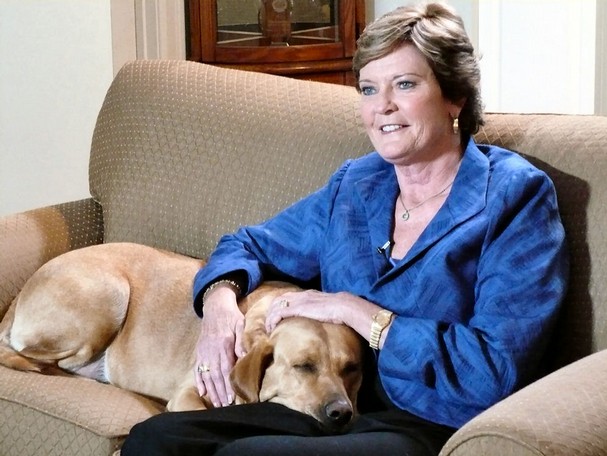
“(Pat Summit’s) initial reaction to learning she had a progressive condition that could impair her mental acuity was one of anger and denial. Since then, she’s moved forward in more Summitt-like fashion, formulating a plan involving medication and mental activities, such as reading and doing puzzles at night before going to sleep. She’s also taken a hopeful stance about her future.” Read the rest of this article here.

www.goodreads.com has this review:
“Genova’s debut revolves around Alice Howland – Harvard professor, gifted researcher and lecturer, wife, and mother of three grown children. One day, Alice sets out for a run and soon realizes she has no idea how to find her way home. It’s a route she has taken for years, but nothing looks familiar. She is utterly lost. Is her forgetfulness the result of menopausal symptoms? A ministroke? A neurological cancer? After a few doctors’ appointments and medical tests, Alice has her diagnosis, and it’s a shocker — she has early-onset Alzheimer’s disease.
“What follows is the story of Alice’s slow but inevitable loss of memory and connection with reality, told from her perspective. She gradually loses the ability to follow a conversational thread, the story line of a book, or to recall information she heard just moments before. To Genova’s great credit, readers learn of the progression of Alice’s disease through the reactions of others, as Alice does, so they feel what she feels — a slowly building terror.”
The “never going to happen to me” prospect of the helplessness, the sheer terror of memory loss and loss of one’s self provide reason enough to read this book.
Tonight, say a prayer for Pat Summit and anyone else with any stage of dementia.
 Columbia news, views & reviews